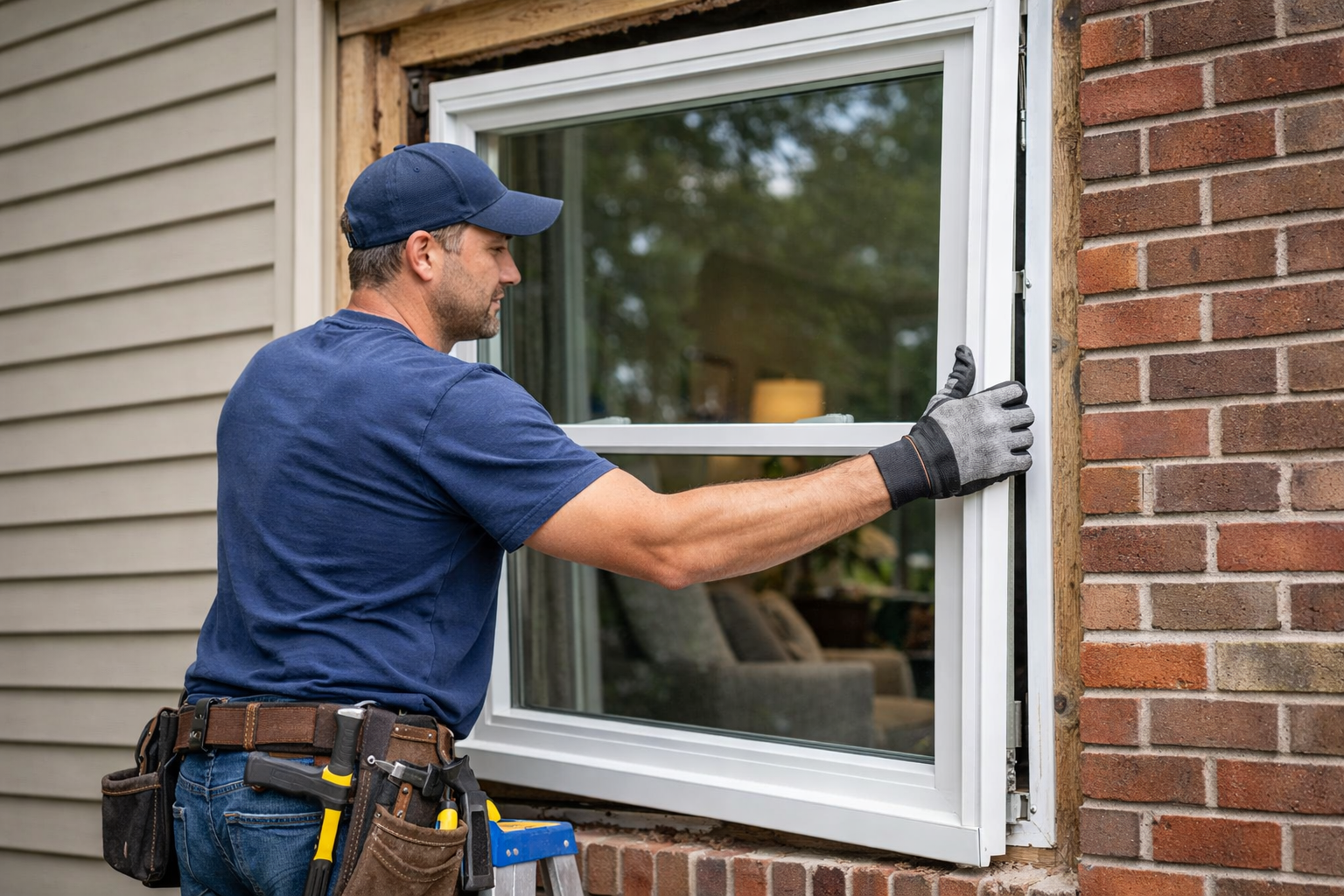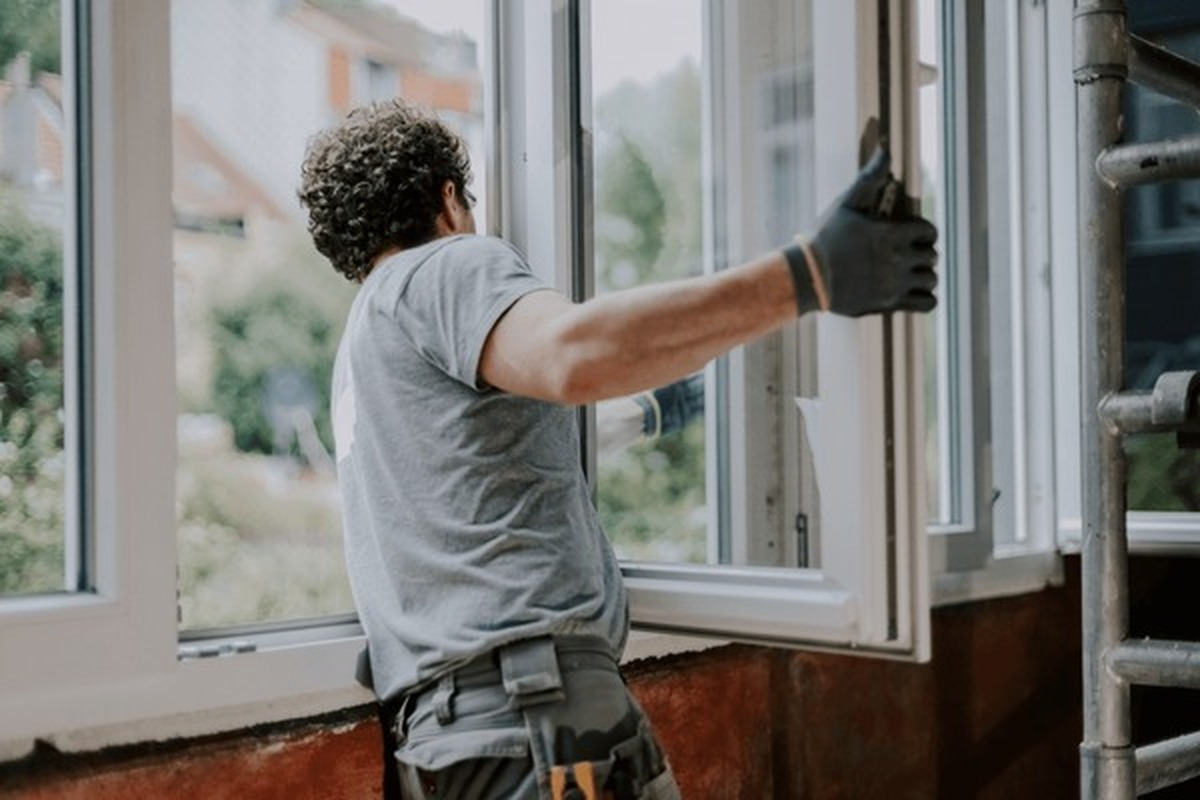
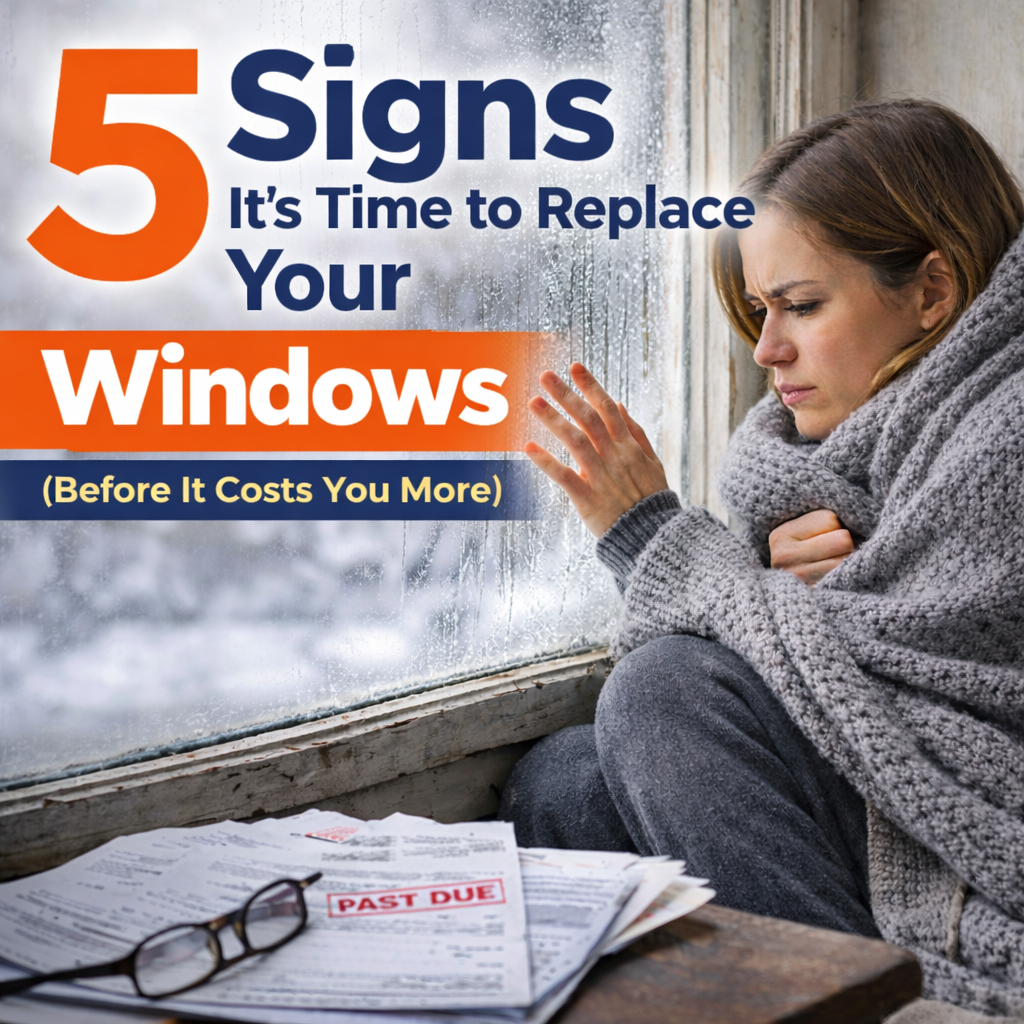
Most homeowners don’t think about their windows… until something goes wrong.
Drafts. Higher energy bills. Condensation between panes. Windows that won’t open. Outside noise getting louder. The truth? Waiting too long to replace failing windows can cost you far more than acting early.
If you live in Ontario and your home is more than 15–20 years old, here are five warning signs you shouldn’t ignore.
1️⃣ Your Energy Bills Keep Climbing
If your heating and cooling costs have increased but your usage hasn’t changed, your windows could be the hidden culprit.
Older or poorly sealed windows allow heat to escape during winter and let hot air enter in summer. In fact, up to 25–30% of a home’s energy loss can occur through inefficient windows.
What homeowners often notice:
- Rooms that feel colder than others
- HVAC system running constantly
- Drafts near window frames
- Higher-than-usual gas or hydro bills
Modern energy-efficient windows are designed with:
- Multi-pane glass
- Argon gas fills
- Low-E coatings
- Advanced weather sealing
The result? Better insulation, lower energy costs, and more consistent comfort throughout your home.
If you’re paying more every month, your windows may already be costing you more than replacement would.
2️⃣ You Feel Drafts — Even When Windows Are Closed
Stand near your windows on a cold day. Do you feel cool air leaking in?
That’s not normal.
Over time, seals deteriorate, frames shift, and insulation breaks down. Even small gaps allow outside air inside — forcing your heating system to work harder.
Why this matters:
- Drafts create cold spots
- They increase moisture buildup
- They reduce overall home comfort
- They can lead to mold around frames
Replacing outdated windows eliminates air leakage and restores proper insulation.
If you’re wearing sweaters inside during winter, your windows may be overdue.
3️⃣ Condensation Between the Glass Panes
Seeing fog or moisture trapped between the glass layers?
That means the window seal has failed.
Modern double- or triple-pane windows are sealed to keep insulating gas inside. Once that seal breaks:
- The gas escapes
- Insulation performance drops
- Moisture enters the space
- Glass appears cloudy permanently
Unfortunately, this cannot be fixed with cleaning. It’s a structural failure.
When seals fail, your window is no longer energy-efficient. And it will only get worse over time.
If you see internal fogging, replacement is usually the most cost-effective solution.
4️⃣ Your Windows Are Hard to Open, Close, or Lock
Windows should operate smoothly and securely.
If yours:
- Stick when opening
- Won’t stay up
- Don’t lock properly
- Feel loose or unstable
You may have frame warping, hardware failure, or structural shifting.
This isn’t just an inconvenience — it’s a security issue.
Old windows that don’t lock properly make homes more vulnerable to break-ins. Warped frames can also allow water infiltration during storms, leading to interior damage.
New windows provide:
- Improved locking systems
- Stronger frames
- Better safety
- Smooth functionality
If your windows fight you every time you use them, that’s a red flag.
5️⃣ Outside Noise Is Getting Louder
Notice more traffic noise? Wind? Neighbors?
That could mean your windows are no longer insulating sound properly.
Older single-pane or worn double-pane windows allow exterior noise to pass through easily. Modern replacement windows significantly reduce sound transfer.
This is especially important if you live:
- Near a busy road
- In growing neighbourhoods
- Close to schools or commercial areas
Better insulation means a quieter, more peaceful home.
And most homeowners are surprised by how dramatic the difference is.
What Happens If You Wait Too Long?
Many homeowners delay window replacement thinking they’re saving money.
But here’s what often happens instead:
- Higher monthly energy bills
- Moisture damage around frames
- Mold development
- Interior drywall damage
- Reduced home value
- Costlier repairs later
Windows are not just cosmetic. They protect your home’s structure.
Replacing them at the right time prevents larger repair expenses down the road.
How Long Do Windows Typically Last?
Most standard builder-grade windows last 15–20 years.
If your home was built in the early 2000s and still has original windows, you’re likely approaching replacement time.
Signs your windows are nearing end of life:
- Fading or cracked frames
- Brittle caulking
- Noticeable temperature differences
- Increased condensation
Even if they “look fine,” performance may already be declining.
Should You Replace All Windows at Once?
Not always.
Some homeowners choose to:
- Replace front-facing windows first
- Upgrade high-draft rooms
- Phase the project over time
However, replacing multiple windows together can:
- Save on installation costs
- Improve overall efficiency
- Create a uniform exterior look
A professional inspection can help determine the most practical approach.
The Hidden Benefit: Increased Home Value
New windows don’t just reduce bills — they improve curb appeal and resale value.
Buyers look for:
- Energy efficiency
- Modern aesthetics
- Low maintenance materials
Window replacement is consistently one of the top home upgrades for return on investment.
If you plan to sell within the next few years, upgrading windows can make your property stand out.
How to Know for Sure
If you’re unsure whether replacement is necessary, the safest step is a professional evaluation.
A proper inspection will assess:
- Seal integrity
- Frame condition
- Insulation performance
- Air leakage
- Structural alignment
You’ll get clear answers — not guesswork.
Don’t Wait Until It Becomes a Bigger Problem
Windows fail gradually.
By the time the damage is obvious, you may already be losing money every month.
If you’ve noticed two or more of these warning signs, it may be time to explore replacement options.
A quick consultation today could prevent costly repairs tomorrow.
Ready to Find Out?
If you’re experiencing drafts, rising energy bills, condensation, or operational issues, consider scheduling a professional window assessment. Your home should be comfortable, secure, and energy-efficient — year-round. And your windows play a bigger role in that than most homeowners realize.